Why Carbs Still Belong on Your Plate in Perimenopause
If you’ve been told that the secret to losing midlife belly fat is cutting carbs, I’m here to tell you that’s not just outdated advice, it’s a recipe for cravings, fatigue, and metabolic chaos.
In perimenopause, your body is already working harder to balance hormones, manage blood sugar, and protect muscle. Take away carbs completely, and you’ll quickly see the fallout: poor sleep, stubborn weight gain, and mood swings that make you feel like you’re living with an unpredictable roommate (yourself).
The truth? Carbs are not the enemy. In fact, the right kinds of carbs, in the right amounts, are your best ally for fat loss, energy, and hormonal balance after 40.
This blog will show you exactly why carbs still deserve a place on your plate, what happens when you cut them too far, and how to use them strategically to support your goals.
In this blog I'll cover
-
Defining What “Carb Balance” Really Means
-
Examples of Healthy vs. Unhelpful Carbs
-
The Pitfalls of Going Too Low-Carb
-
Benefits of Keeping Carbs on Your Plate
-
Real-Life Case Studies & Stories
-
Step-by
1. Defining What “Carb Balance” Really Means
Carb balance isn’t about piling pasta high or swinging the pendulum to extreme keto. It’s about giving your body enough glucose to fuel energy, mood, and muscle while avoiding blood sugar spikes that trigger fat storage.
Think of carb balance as:
- Quality over quantity → fibre-rich, slow-digesting carbs (like oats, quinoa, legumes, fruit, starchy veg).
- Pairing smartly → carbs with protein + healthy fat to keep blood sugar stable.
- Timing strategically → carbs earlier in the day, pre- or post-exercise, and in the evening for better sleep.
This balance helps reduce cortisol spikes, supports oestrogen and progesterone shifts, and keeps insulin sensitivity in check, a crucial factor in perimenopausal fat loss.
2. Examples of Healthy vs. Unhelpful Carbs
Not all carbs are created equal. Here’s the quick breakdown:
- ✅ Helpful carbs: oats, quinoa, lentils, beans, brown rice, sweet potato, pumpkin, apples, berries, wholegrain wraps.
- ❌ Unhelpful carbs: white bread, pastries, lollies, soft drinks, flavoured lattes, ultra-processed “low-fat” snacks.
The helpful group brings fibre, micronutrients, and steady energy. The unhelpful group is what drives that “carb fear”, fast spikes, crashes, and belly fat storage.
3. The Pitfalls of Going Too Low-Carb
Cutting carbs altogether may feel like the “tough love” solution, but here’s what actually happens in perimenopause:
- Cravings skyrocket → the more you restrict, the harder your brain pushes for quick sugar.
- Sleep suffers → carbs help regulate serotonin and melatonin. Low-carb often equals restless nights.
- Muscle loss → without enough glycogen, your body taps into muscle tissue. Less muscle = slower metabolism.
- Belly fat increases → cortisol rises when you restrict carbs, driving fat storage around the middle.
4. Benefits of Keeping Carbs on Your Plate
Balanced carbs give you a hormonal and metabolic advantage:
- Steadier energy throughout the day (no 3pm slumps).
- Better workouts (carbs fuel both endurance and strength).
- Improved sleep thanks to serotonin production.
- Reduced cravings because your blood sugar isn’t swinging like a pendulum.
- Support for fat loss, yes, really. Balanced carbs keep cortisol and insulin from working against you.
5. Real-Life Case Studies & Stories
-
Client A: she was a corporate in leadership who cut carbs to “speed up” weight loss. Result: exhaustion, binge cycles, and zero progress on belly fat. Once we reintroduced balanced carbs (sweet potato at lunch, oats at breakfast), she dropped 2.5 inches around her waist in six weeks and reported her best sleep in years.
-
My own story: I once thought skipping carbs at dinner would shrink belly fat faster. Instead, I tossed and turned all night and ended up raiding the pantry every evening. Adding oats in the morning, and quinoa or lentils at lunch and dinner helped me sleep, recover, and lose the “cortisol belly” weight.
6. Step-by-Step: How to Make Carbs Work for You
Here’s how to start today:
Step 1: Add carbs to every main meal
- Think of it as “protein + fibre + smart carb + fat.”
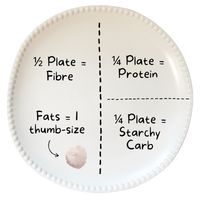
- Pending what you're eating, a quarter of your plate should include a smart carb like oats, starchy fruit (banana, figs, dates), beans, or starchy veg (white potato, rice cake, slice of bread, rice, pasta, quinoa).
Step 2: Time them wisely
- Breakfast: oats, fruit, or wholegrain toast → sets the tone for steady blood sugar.
- Lunch: quinoa, lentils, brown rice → fuels afternoon focus.
- Evening: pumpkin or sweet potato → supports serotonin and sleep.
Step 3: Pair and balance
Always pair carbs with protein and fat, like Greek yoghurt with berries and walnuts, or salmon with sweet potato and greens.
Step 4: Ditch the “carb guilt”
Food is not moral. The goal is steady blood sugar and hormone support, not punishment.
Step 5: Experiment
Track how different carbs affect your body, bloating, energy, sleep, cravings. Everyone’s carb sweet spot looks a little different.
7. Key Takeaways + Next Steps
Carbs aren’t the villain. The real issue is when we eat the wrong kind, at the wrong time, without balance.
By bringing carbs back onto your plate strategically, you’ll experience:
- Less belly fat storage.
- Better energy and sleep.
- A calmer relationship with food.
Your body doesn’t need punishment, it needs support. And carbs are one of the most supportive tools you have.
👉 If you’re ready to see how balanced carbs (and other hormone-smart swaps) can transform your midlife belly fat journey, check out my 5 Day Kickstart. You’ll get the exact carb framework I teach clients to balance hormones, reduce cravings, and finally feel in control of your results (pssssst. as a special bonus, if you use this 5 Day Kickstart link you'll receive my 5 Day Sugar Detox for free!)
FAQ
Q: Should I avoid carbs at dinner?
A: No. Including a small portion of slow-digesting carbs at dinner (like sweet potato or lentils) can actually help with sleep and reduce nighttime cravings.
Q: What about keto, doesn’t it work?
A: Keto can lead to fast water loss but often backfires for women in midlife. Long-term, it can increase cortisol, reduce sleep quality, and slow metabolism.
Q: How much carb should I eat at each meal?
A: Aim for roughly a quarter of your plate. Think of it visually: a palm-sized portion of oats, rice, or starchy veg, or a piece of fruit paired with protein.
Feel better in 5 days!
If fat loss feels harder after 40, my 5 Day Kickstart gives you a simple raodmap to stabilise blood sugar, reduce inflammation and shift your body into a fat burning rhythm in just one week (without giving up coffee or dessert!)
Meet your Peri-Hype Girl!